Simplify Your Cloud Infrastructure with IBM Terraform
Managing complex IT environments can be a heavy lift for any business. As your operations expand across private data centers and public clouds, keeping everything secure and running smoothly becomes a challenge. That is where infrastructure as code comes in. This guide explains how IBM Terraform can help your team standardize workflows, deploy resources reliably, and get the highest return on your IT investments.
What is Terraform?
Terraform is a trusted infrastructure as code (IaC) tool that allows your team to provision, update, and manage IT resources using simple, human-readable configuration files. Created by HashiCorp and now part of IBM, Terraform uses a declarative approach. Instead of writing complex, step-by-step programming instructions, you simply describe the exact infrastructure state you need. The tool handles the rest, ensuring your deployments are consistent and secure every single time.
How does Terraform work?
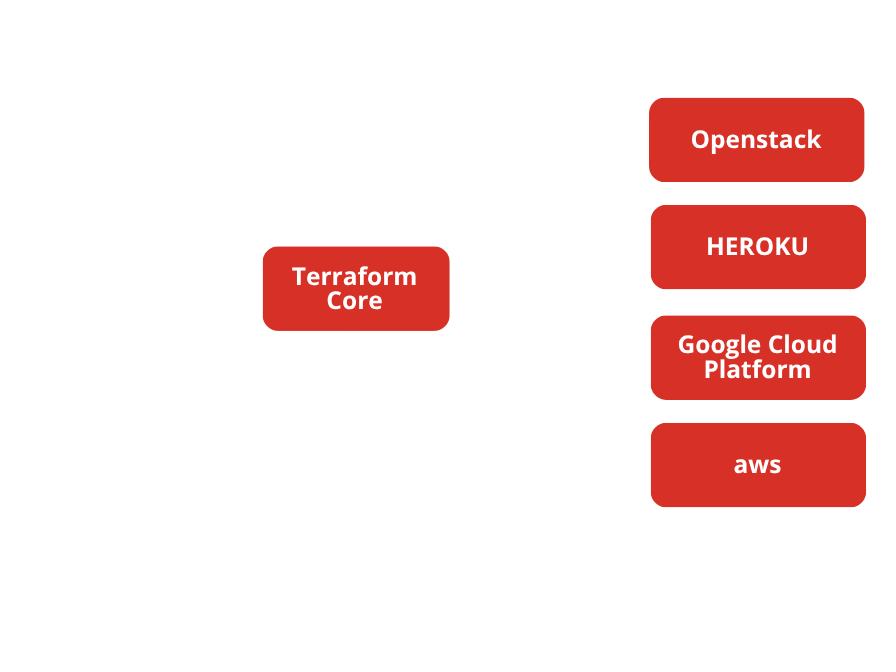
Terraform interacts with cloud platforms and services through standard application programming interfaces (APIs). The core workflow relies on three straightforward steps to safely automate your environment:
- Write: Your team creates configuration files detailing the necessary resources, such as virtual machines, databases, or secure network rules.
- Plan: The system reviews your request and compares it to your current setup. It generates a clear blueprint of what will be created, updated, or removed, so you know exactly what to expect before any changes happen.
- Apply: Once you approve the plan, Terraform executes the changes in the correct order. It automatically navigates resource dependencies to ensure everything functions perfectly from the start.
How do organizations use Terraform?
Businesses of all sizes rely on this platform to bring order to their IT operations. Common applications include:
- Managing multicloud environments: You can orchestrate resources across different cloud providers using a single, unified workflow, removing the need to learn a dozen different interfaces.
- Enabling self-service infrastructure: Product teams can securely deploy standardized, pre-approved components on their own. This removes bottlenecks and frees up your core IT staff to focus on strategic projects.
- Enforcing policy and compliance: By using pre-tested modules, your organization can guarantee that every new resource automatically meets strict security and compliance standards.
How does Terraform maximize your infrastructure investments?
Implementing a unified infrastructure approach does more than just save your developers time. It directly improves your bottom line by addressing common IT inefficiencies.
- Optimize cloud costs: You can easily detect and shut down idle or over-provisioned resources. By actively managing your infrastructure lifecycle, your business can significantly reduce unnecessary cloud waste.
- Reduce operational risk: Manual setups always leave room for human error. Automated workflows provide a trusted, repeatable process that tightly controls access, enforces security guardrails, and minimizes vulnerabilities.
- Accelerate service delivery: Automation eliminates the friction of traditional infrastructure requests. Your team can innovate and bring new services to market much faster without sacrificing quality or security.
Take the next step with your IT strategy
Standardizing your cloud infrastructure is a critical step toward long-term business success. Our team provides the depth of knowledge, skills, and resources you need to keep your IT systems running smoothly. We are ready to help with all your cloud automation and infrastructure challenges. Contact us today to discover how IBM Terraform can transform your daily operations.